Preparing Your Pets for Wildfire Evacuations
Living in wildfire country means being prepared before an emergency happens. While we often think about protecting our homes and families, it's just as important to have a plan for our pets. A little preparation today can make a stressful evacuation much easier and help keep every member of your family safe.
Have an Evacuation Plan
If local officials issue an evacuation warning or order, don't wait until the last minute. Leaving early gives you more time to travel safely and reduces stress for both you and your pets.
Every member of your household should know:
- Who is responsible for each pet
- Where pet carriers and leashes are stored
- Where emergency supplies are located
- Your planned evacuation route and destination
Prepare a Pet Emergency Kit
Keep a dedicated emergency kit packed and ready to go.
Include:
- At least one week's supply of food
- Bottled water
- Food and water bowls
- Medications
- Medical and vaccination records
- Leash, harness, and collar
- Cat carrier or dog crate
- Litter box and litter for cats
- Waste bags
- Favorite toy or blanket to reduce stress
- Recent photos of your pet
Store everything in a container that's easy to grab on your way out the door.
Make Sure Your Pet Can Be Identified
One of the most important steps you can take is ensuring your pet can be identified if you become separated.
Your pet should have:
- A collar with an up-to-date ID tag
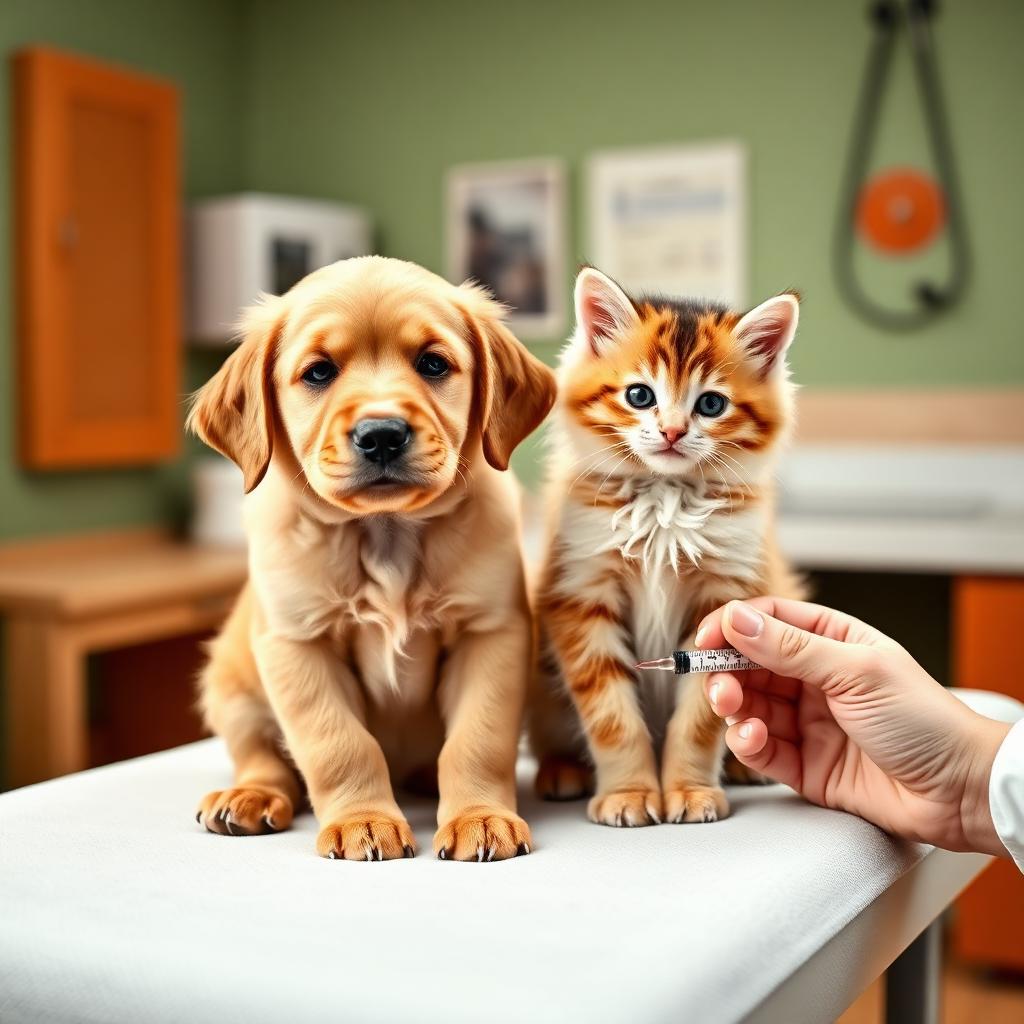
- A registered microchip with current contact information
- A recent photograph showing any unique markings
Microchips greatly increase the chances of being reunited with a lost pet after a disaster—but only if your contact information is current.
Practice Loading Your Pets
Many pets become frightened during emergencies.
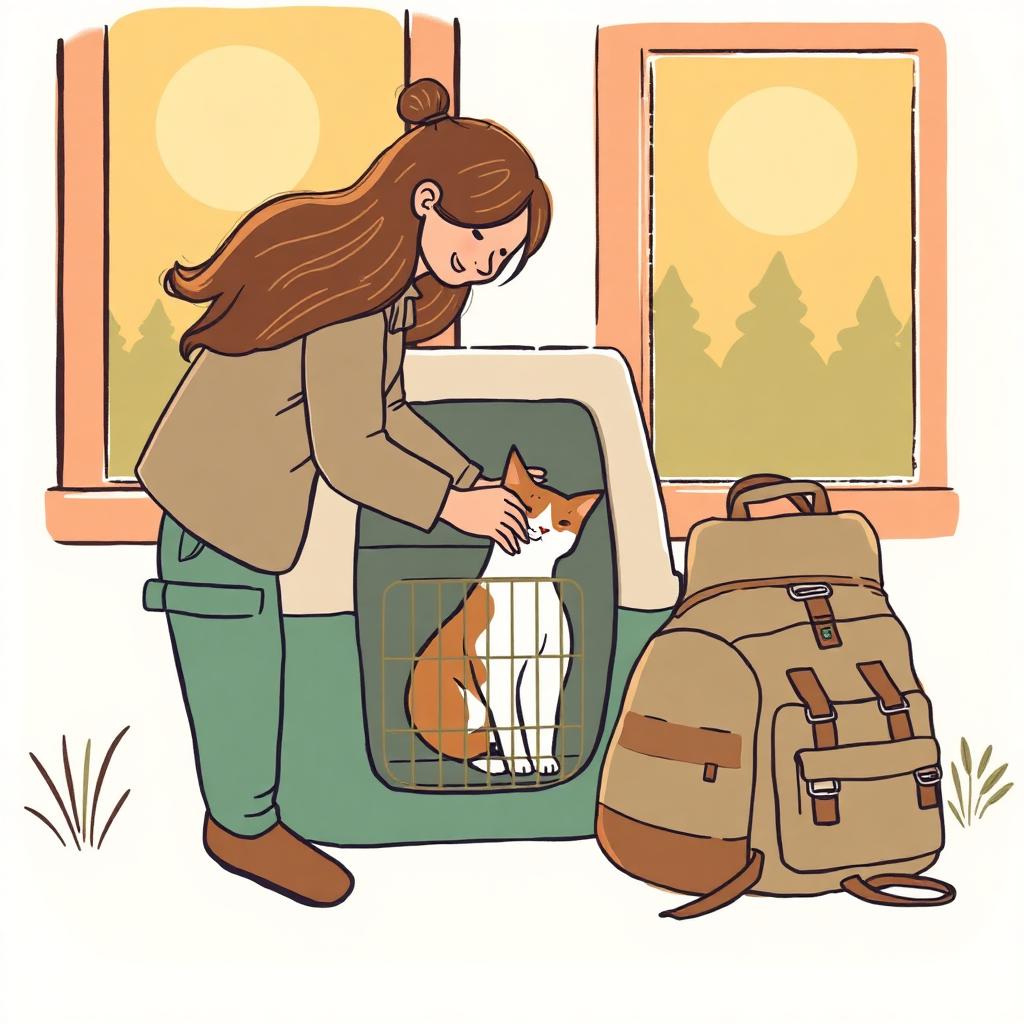
Practice occasionally by having your dog walk into the car or your cat enter their carrier for a few minutes. Reward them with praise or treats so they associate the experience with something positive. We suggest holding your pet by the scruff of the neck and the feet and placing it feet first into the carrier. In an emergency if you have a pillowcase, place your kitten in the pillowcase and tie the end off. Make sure it is a breathable pillowcase. It's not the best solution, but it is better than losing your pet!
If your pet is comfortable with the process before an emergency, evacuation day will be much less stressful.
Plan Where You'll Go
Not every hotel or evacuation center accepts pets.
Before wildfire season begins, make a list of:
- Pet-friendly hotels
- Friends or family who can help
- Boarding facilities outside the fire area
- Veterinary clinics that offer emergency boarding
Having several options gives you flexibility if conditions change quickly.
Keep Pets Indoors During Smoke Events
Even if you're not evacuating, wildfire smoke can affect your pets just as it affects people.
During periods of poor air quality:
- Keep pets indoors as much as possible
- Limit strenuous exercise
- Ensure they always have fresh water
- Watch for coughing, difficulty breathing, or unusual tiredness
If your pet appears to be struggling to breathe, contact your veterinarian immediately.
Never Leave Pets Behind
If it isn't safe for you to stay, it isn't safe for your pets either.
Never leave animals behind expecting to return later. Wildfires can change direction rapidly, and road closures may prevent you from getting back home.
Whenever possible, evacuate all of your pets—including livestock and other animals—as soon as evacuation warnings are issued.
We're Here to Help
Wildfires are an unfortunate reality in our region, but preparation can make all the difference. By planning ahead, packing an emergency kit, and knowing where you'll go, you'll be ready to protect your pets when every minute counts.
Our shelter cares deeply about the safety of pets in our community. If you have questions about emergency preparedness, microchipping, or identifying your pet, we're always happy to help. Together, we can ensure that every pet has the best possible chance of staying safe during wildfire season.
Disclaimer: This article is intended for educational purposes only and is not a substitute for professional veterinary care or emergency management guidance. Always follow evacuation orders from local authorities, and contact your veterinarian if your pet experiences illness or injury related to wildfire smoke or evacuation.
More posts