Vaccination Schedule for Kittens and Puppies
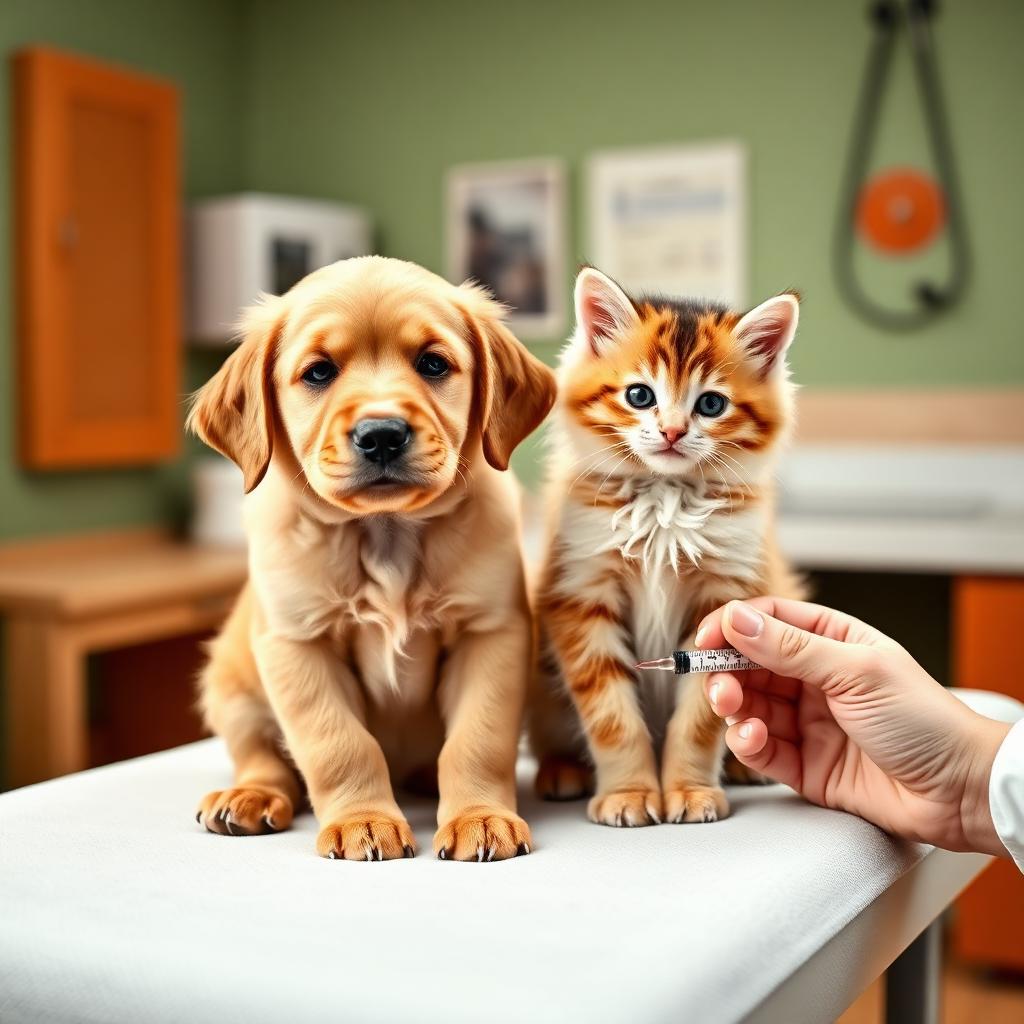
One of the best gifts you can give your new pet is protection from preventable diseases. Vaccinations help your kitten or puppy develop immunity before they're exposed to serious illnesses, giving them the best chance at a long, healthy life.
Because young animals receive some protection from their mother's milk, they need a series of vaccinations as that protection gradually fades. That's why following your veterinarian's recommended schedule is so important.
Kitten Vaccination Schedule
Most kittens begin their vaccinations between 6 and 8 weeks of age.
A typical schedule includes:
- 6–8 Weeks: First FVRCP vaccine (protects against feline viral rhinotracheitis, calicivirus, and panleukopenia)
- 10–12 Weeks: Second FVRCP booster
- 14–16 Weeks: Final FVRCP booster and Rabies vaccine (where required or recommended)
- One Year Later: Booster vaccinations
- Adult Cats: Your veterinarian will recommend future boosters based on your cat's age, lifestyle, and risk factors.
Some kittens may also benefit from additional vaccines, such as the Feline Leukemia (FeLV) vaccine, especially if they spend time outdoors or live with other cats.
Puppy Vaccination Schedule
Puppies also begin vaccinations between 6 and 8 weeks of age.
A typical schedule includes:
- 6–8 Weeks: First DHPP vaccine (Distemper, Hepatitis/Adenovirus, Parvovirus, and Parainfluenza)
- 10–12 Weeks: Second DHPP booster
- 14–16 Weeks: Final DHPP booster and Rabies vaccine
- One Year Later: Booster vaccinations
- Adult Dogs: Your veterinarian will recommend an ongoing vaccination schedule based on your dog's lifestyle.
Depending on where you live and your dog's activities, your veterinarian may also recommend vaccines for Bordetella (kennel cough), Leptospirosis, Lyme disease, or Canine Influenza.
Why Multiple Vaccinations?
Many new pet owners wonder why puppies and kittens need several shots instead of just one.
Young animals still have antibodies from their mother's milk, which gradually disappear over the first few months of life. A series of vaccinations ensures your pet develops strong, lasting immunity once those maternal antibodies are gone.
Keep Good Records
Keep a copy of your pet's vaccination records in a safe place. You'll often need proof of vaccinations for:
- Grooming appointments
- Boarding facilities
- Training classes
- Dog parks
- Travel
- Licensing
Many veterinary clinics can also provide digital copies of your pet's records.
Questions? We're Here to Help!
Every pet is unique, and vaccination recommendations may vary depending on age, health, and lifestyle. If you've recently adopted a kitten or puppy from our shelter and have questions about vaccinations, don't hesitate to ask your veterinarian—or stop by and talk with our team. We're always happy to help you give your newest family member the healthiest possible start in life.
More posts